5 hr
Vancouver Whale & Wildlife Watching Tour
- Entry ticket
- Mobile voucher
- Valid same day
- Free cancellation
Vancouver Boat Tours Whale Watching — Orca & Wildlife Encounters
Salish Sea departures from Granville Island, guided by marine naturalists
Compare fares, pick the fit — all bookings are mobile-voucher and eligible for free cancellation where shown.
5 hr
1 hr 30 min
5 hr
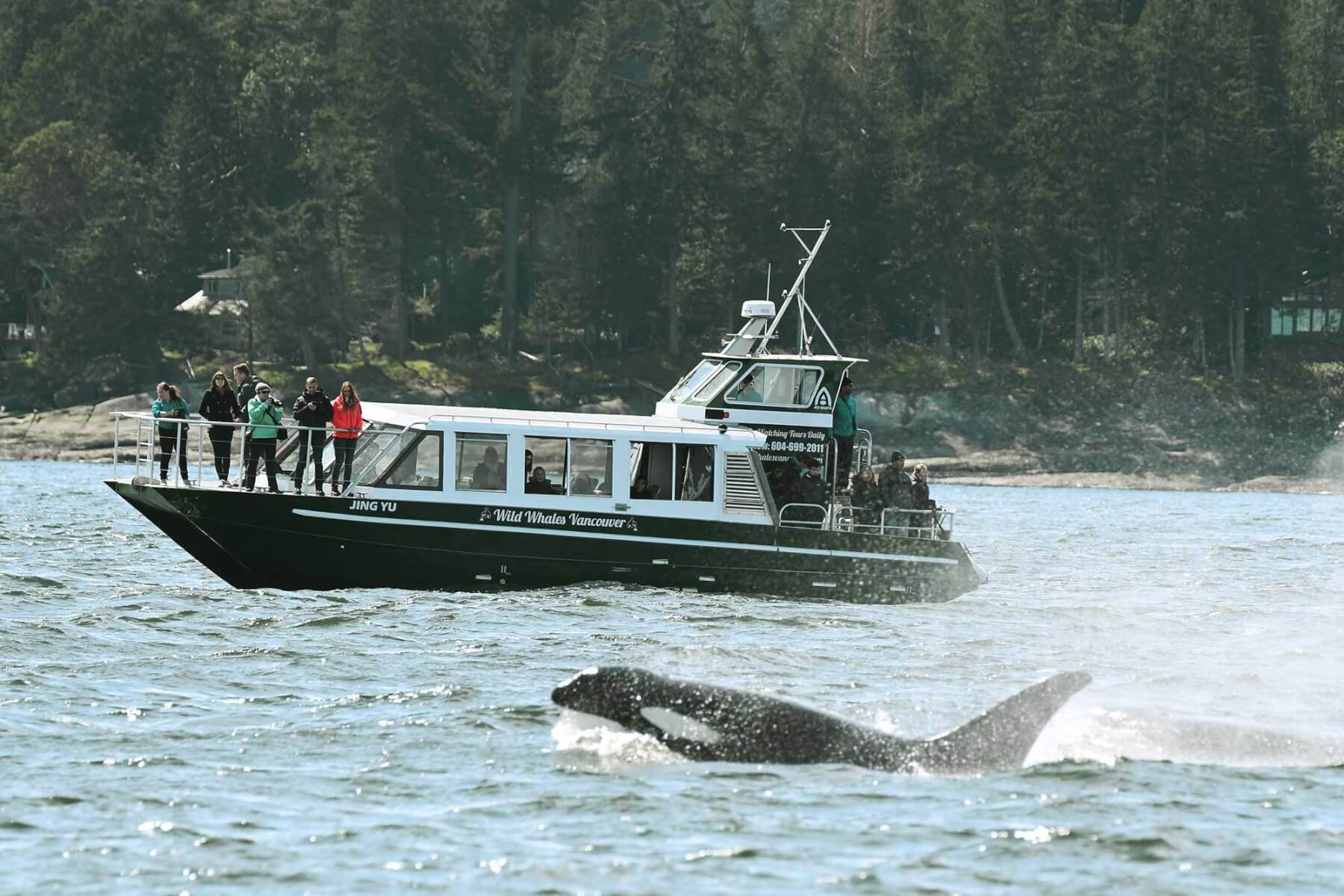
Selecting the right vancouver boat tours whale watching option allows you to customize your experience on the Salish Sea. Choose between high-speed adventure or a relaxed cruise to observe local marine wildlife.
|
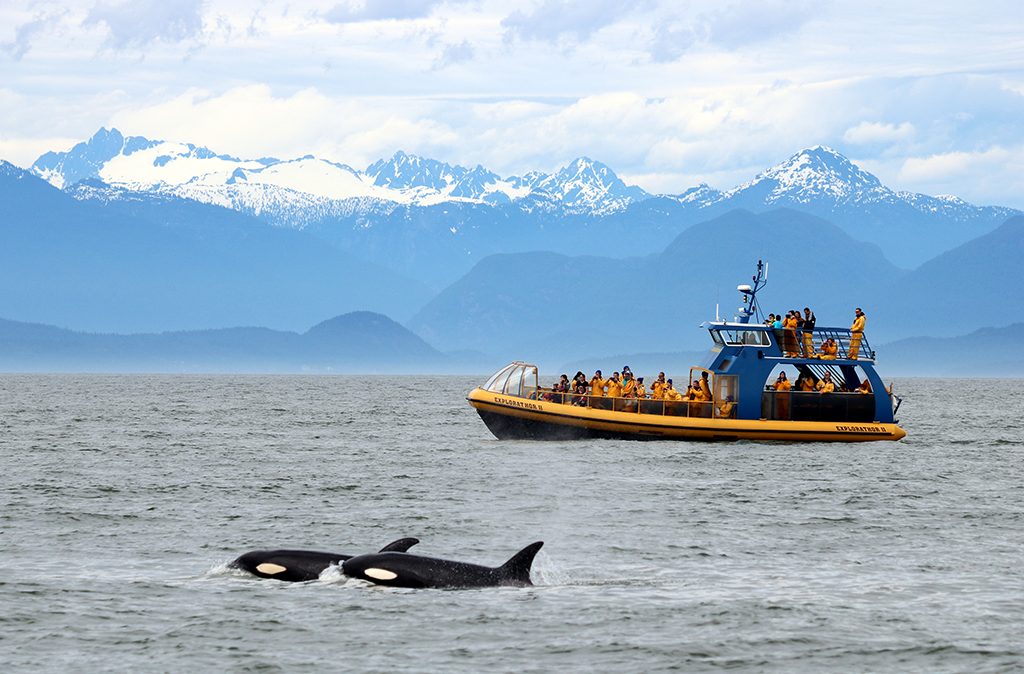
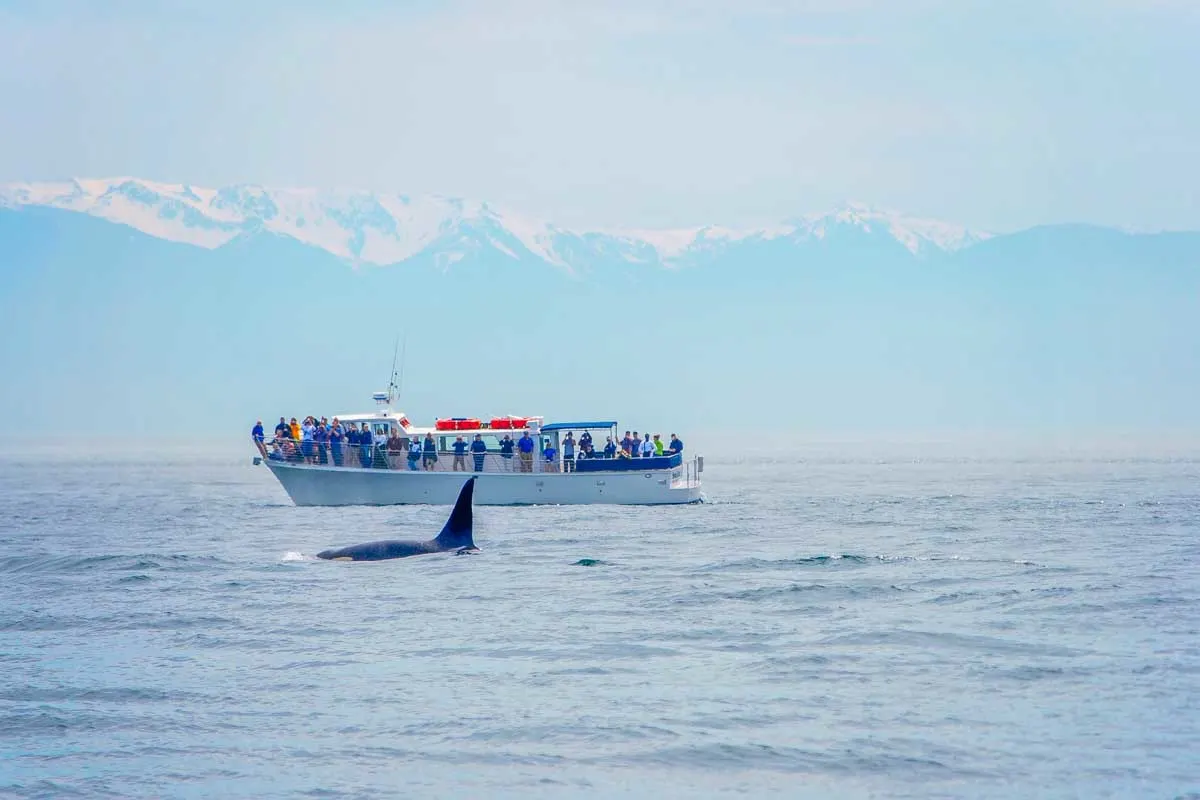
Top pick Semi-Covered Cruiser Heated cabin with panoramic views |
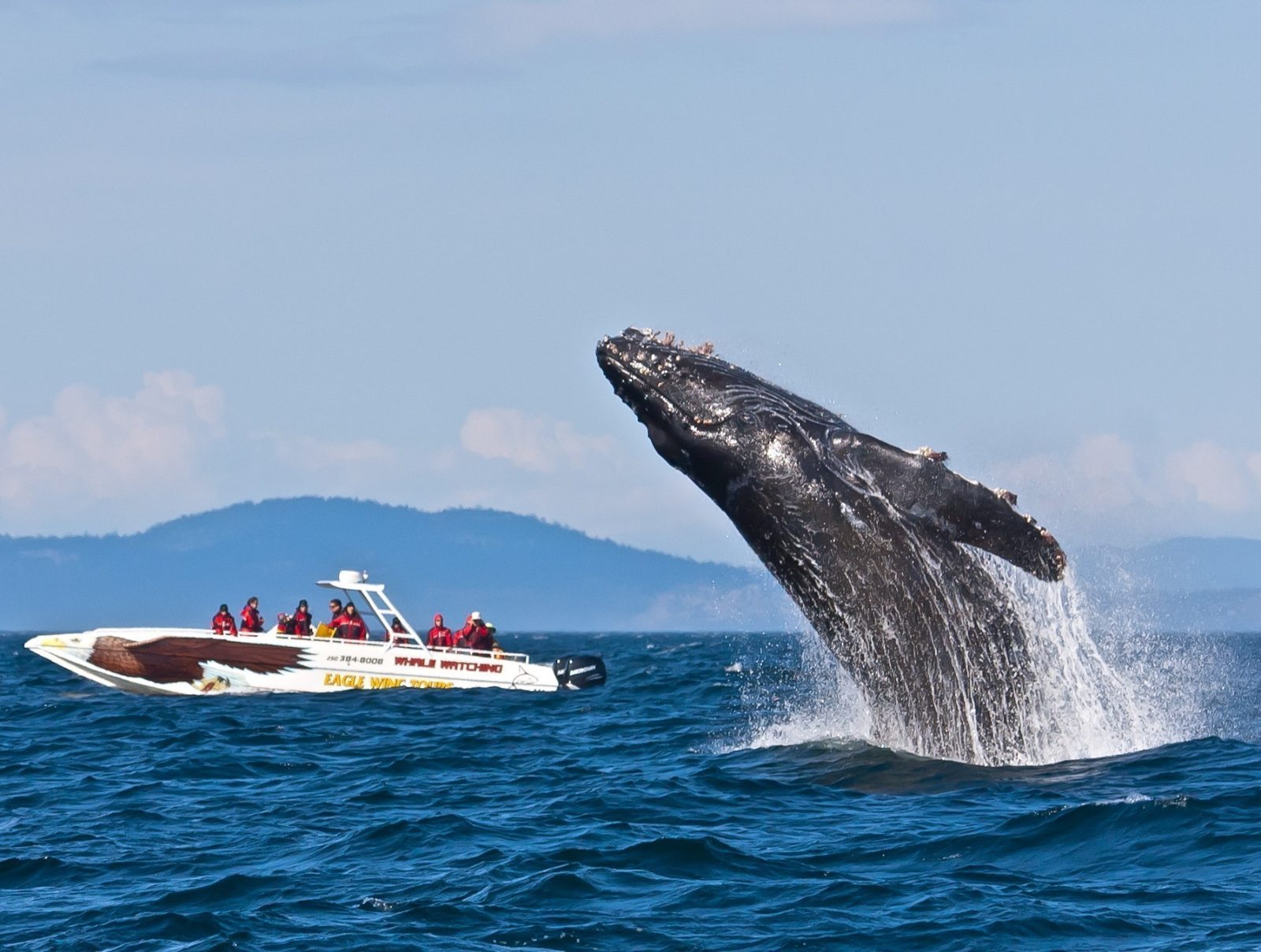
Open Zodiac High-speed adventure vessel | |
|---|---|---|
| Vessel Type | Heated cabin with tiered viewing | Rigid inflatable boat |
| Best For | Families and first-time guests | Thrill-seekers and photographers |
| Amenities | Onboard washrooms and snacks | Outdoor panoramic sightlines |
| Duration | 3 to 5 hours | 3 to 5 hours |
| Weather Comfort | Protected from elements | Exposure to wind and spray |
| See tickets & prices |
Verdict: For most first-time visitors, the semi-covered cruiser vancouver boat tours whale watching tour offers the most comfortable way to enjoy the coastal scenery.
Worth it for wildlife enthusiasts and nature lovers
Vancouver boat tours whale watching tours command premium pricing—typically between CAD 130–180 per adult for five-hour expeditions—but deliver substantial value for visitors prioritizing marine wildlife encounters. You're paying for expert naturalist commentary, specialized vessels equipped for open-water viewing, and access to feeding grounds where orcas, humpback whales, sea lions, and harbor seals congregate. The operators based at Granville Island run daily departures with experienced crews who interpret cetacean behavior and West Coast ecology in real time. Morning departures from the 08:30–12:00 window offer calmer Salish Sea conditions and higher sighting rates before afternoon winds pick up. The investment makes sense if you value guided wildlife observation and educational depth over casual harbor sightseeing. Budget-conscious travelers can opt for shorter seal colony tours at lower price points, though these skip the offshore whale grounds entirely. Free entry to the harbour area itself costs nothing, but legitimate whale watching tickets require booking through certified operators who follow marine mammal viewing regulations.
Bottom line: The price reflects genuine wildlife access and expert interpretation—worth every dollar if marine mammals are your priority, skippable if you want only harbor scenery.
They complement each other; visitors who prioritize marine biodiversity find whale watching the more thrilling option, while city enthusiasts prefer harbour sightseeing. These vancouver boat tours whale watching tours offer deep ocean access, whereas harbour cruises remain near the shore.
|
Top pick Whale Watching |
Harbour Cruises | |
|---|---|---|
| Primary Objective | Marine wildlife observation | Urban landmark photography |
| Average Duration | 3–5 hours | 1–2 hours |
| Wildlife Guarantee | High likelihood of sightings | None |
| Sea Conditions | Open ocean swells | Calm sheltered waters |
| Target Audience | Nature and adventure seekers | Casual sightseeing tourists |
| See tickets & prices |
Verdict: Secure vancouver boat tours whale watching tickets if your goal is an encounter with marine mammals, or choose harbour cruises for a relaxing introduction to city landmarks via a vancouver boat tours whale watching tour alternative.
Hand-picked experiences loved by thousands of travelers
5 hours
Free Cancellation
Sail the Salish Sea aboard Eagle Eyes catamaran searching for orcas, humpbacks, and dolphins
1 hour
Free Cancellation
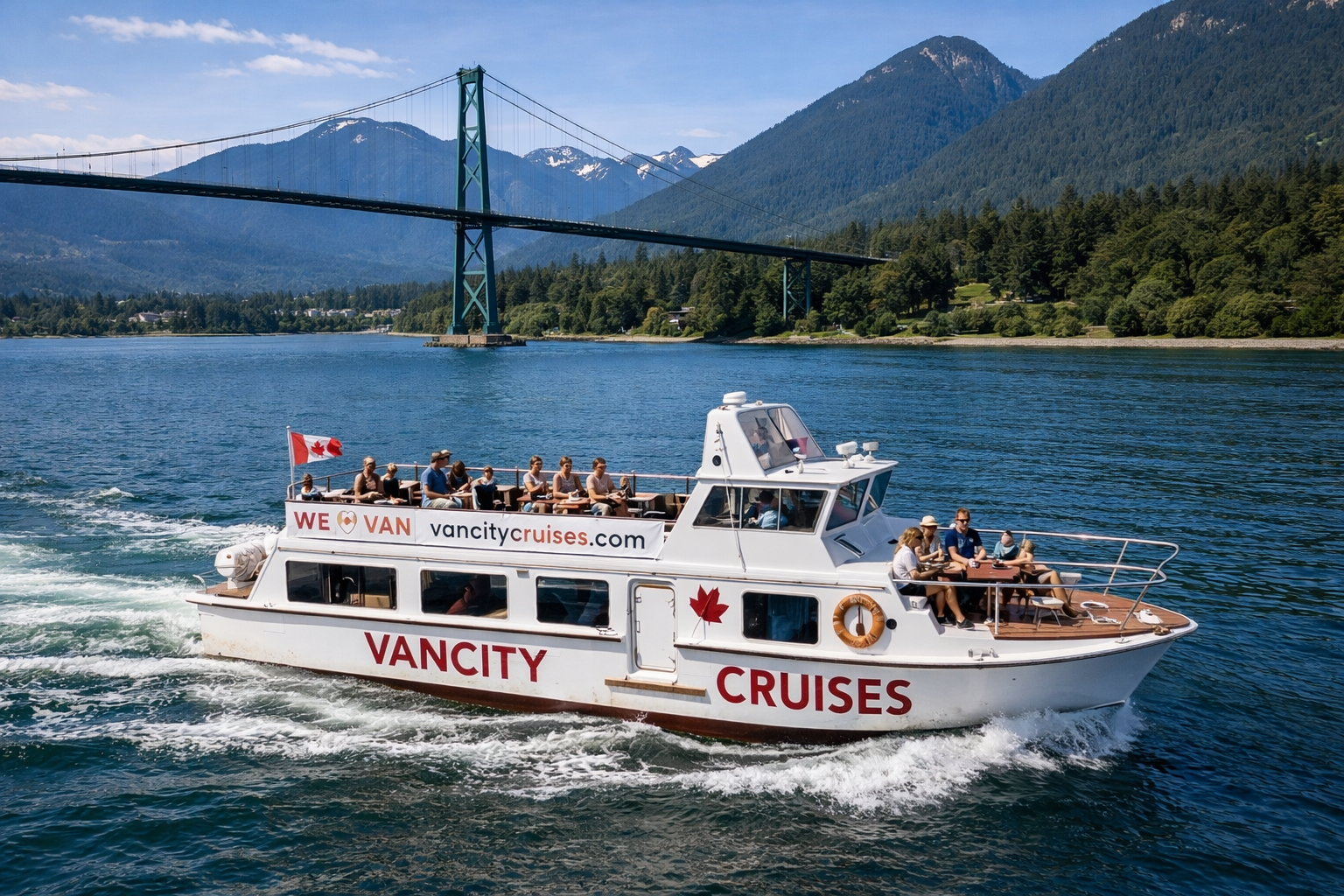
Discover Vancouver's waterfront beauty on a narrated one-hour cruise with panoramic views and onboard bar.
5 hours
Free Cancellation
Encounter orcas, humpbacks, and dolphins on a semi-covered catamaran with expert naturalist guides
2 hours
Free Cancellation
Explore Canada's southernmost fjord aboard a small-group vessel with marine wildlife viewing and UNESCO biosphere scenery
1 hour 30 minutes
Free Cancellation
Discover Vancouver's iconic landmarks on an intimate 90-minute boat tour with room to breathe
8 hours
Free Cancellation
Fly over coastal landmarks, then spend three hours tracking orcas and humpbacks in Pacific waters
2 hours
Free Cancellation
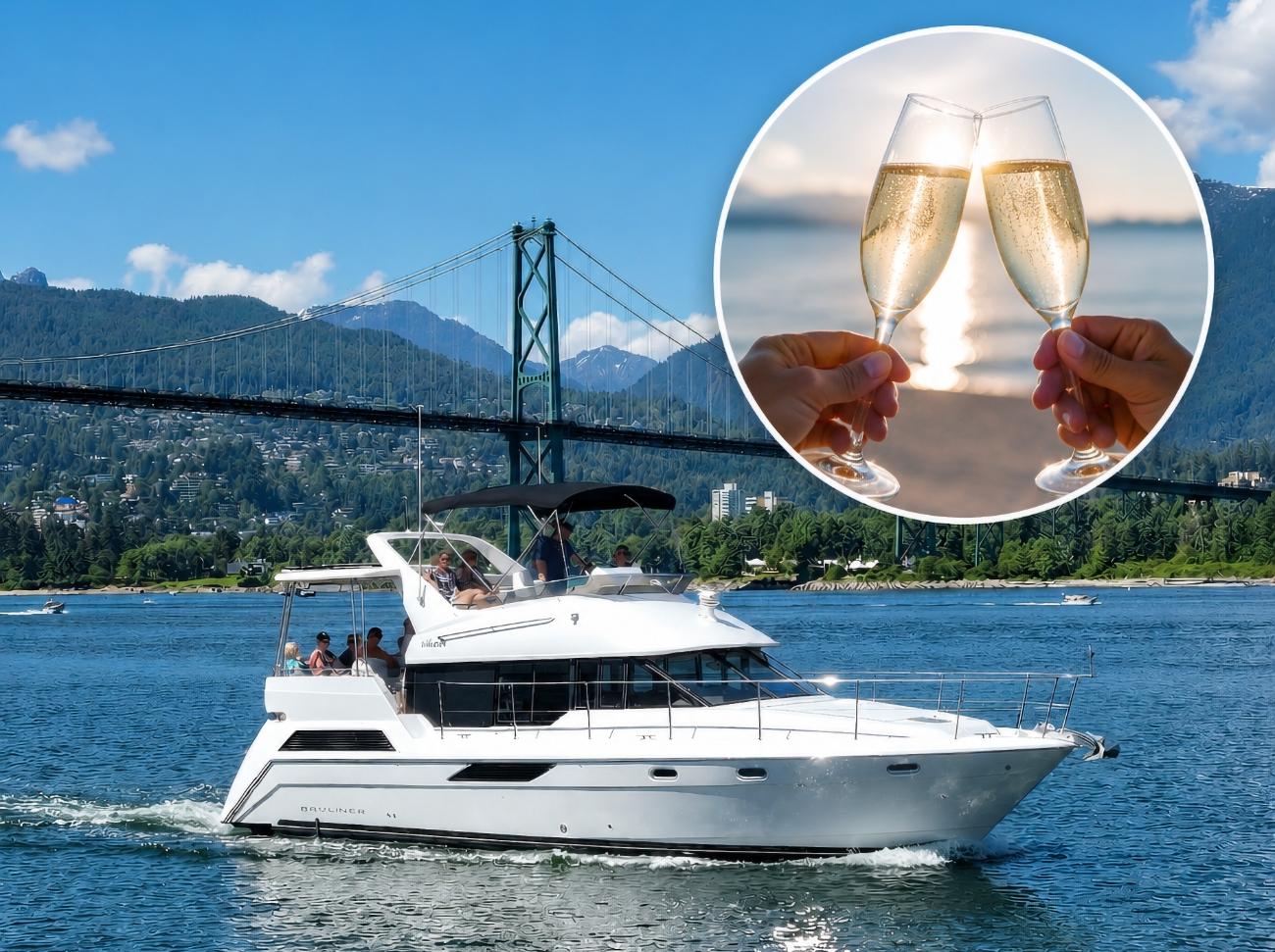
Intimate 2-hour voyage through Vancouver's waterways with sparkling wine, gourmet bites, and mountain vistas
3 hours
Free Cancellation
Search for orcas, humpbacks, and marine wildlife on a thrilling Salish Sea expedition from Crescent Beach
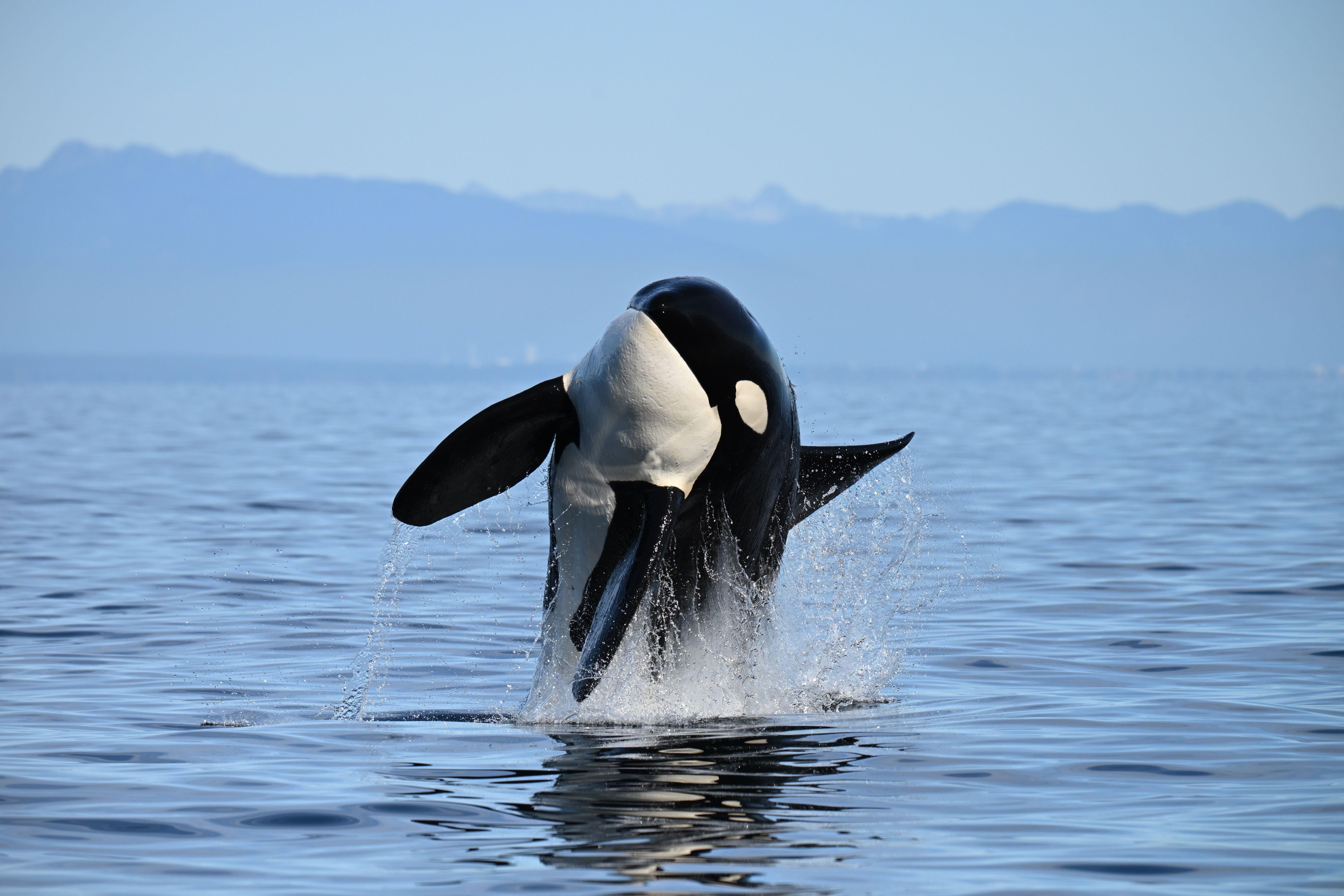
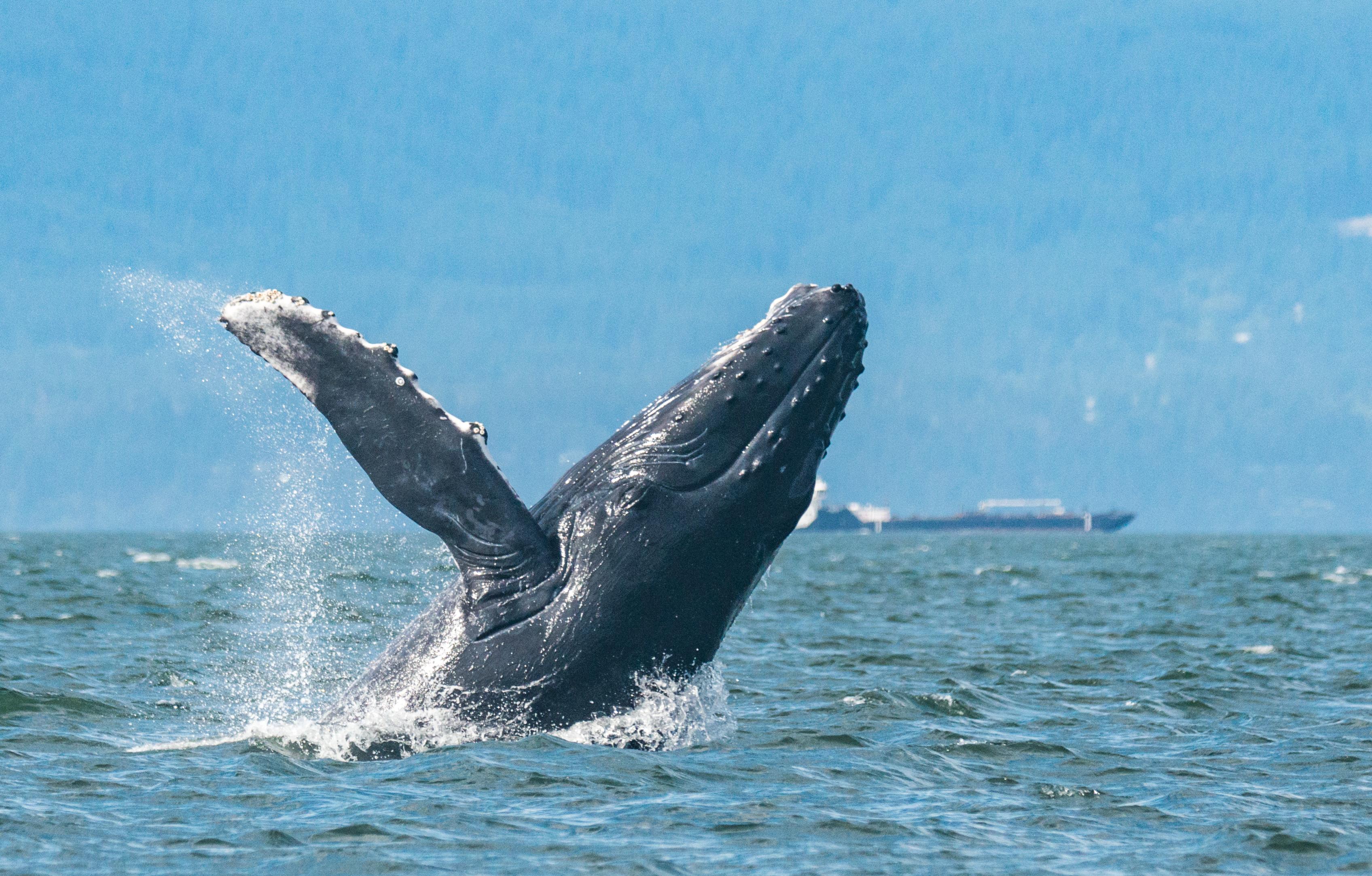
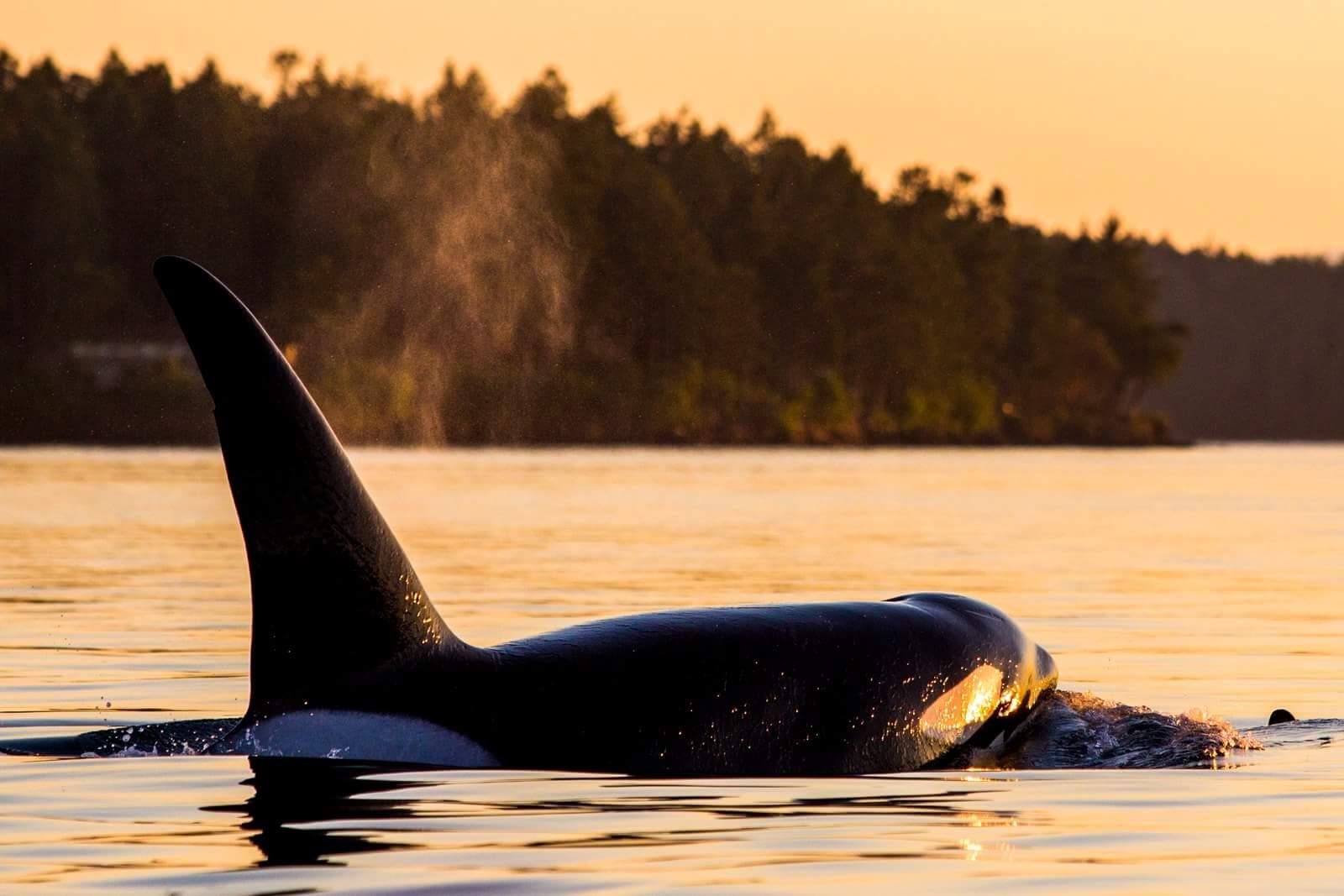
Witness transient orcas and humpback whales in their natural marine corridors.
The primary departure point for major vancouver boat tours whale watching operators in the heart of the city.
A critical habitat where resident pods are often tracked by expert naturalists.
Experts provide real-time interpretation and conservation data during every cruise.
Experience the unique vocalizations of whales detected through specialized onboard technology.
All the details about your upcoming adventure in one place
The Salish Sea holds one of the planet's densest concentrations of marine mammals. Three resident orca pods—J, K, and L—number roughly 75 individuals and have occupied these waters for at least 10,000 years, tracing matrilineal lines older than agriculture.
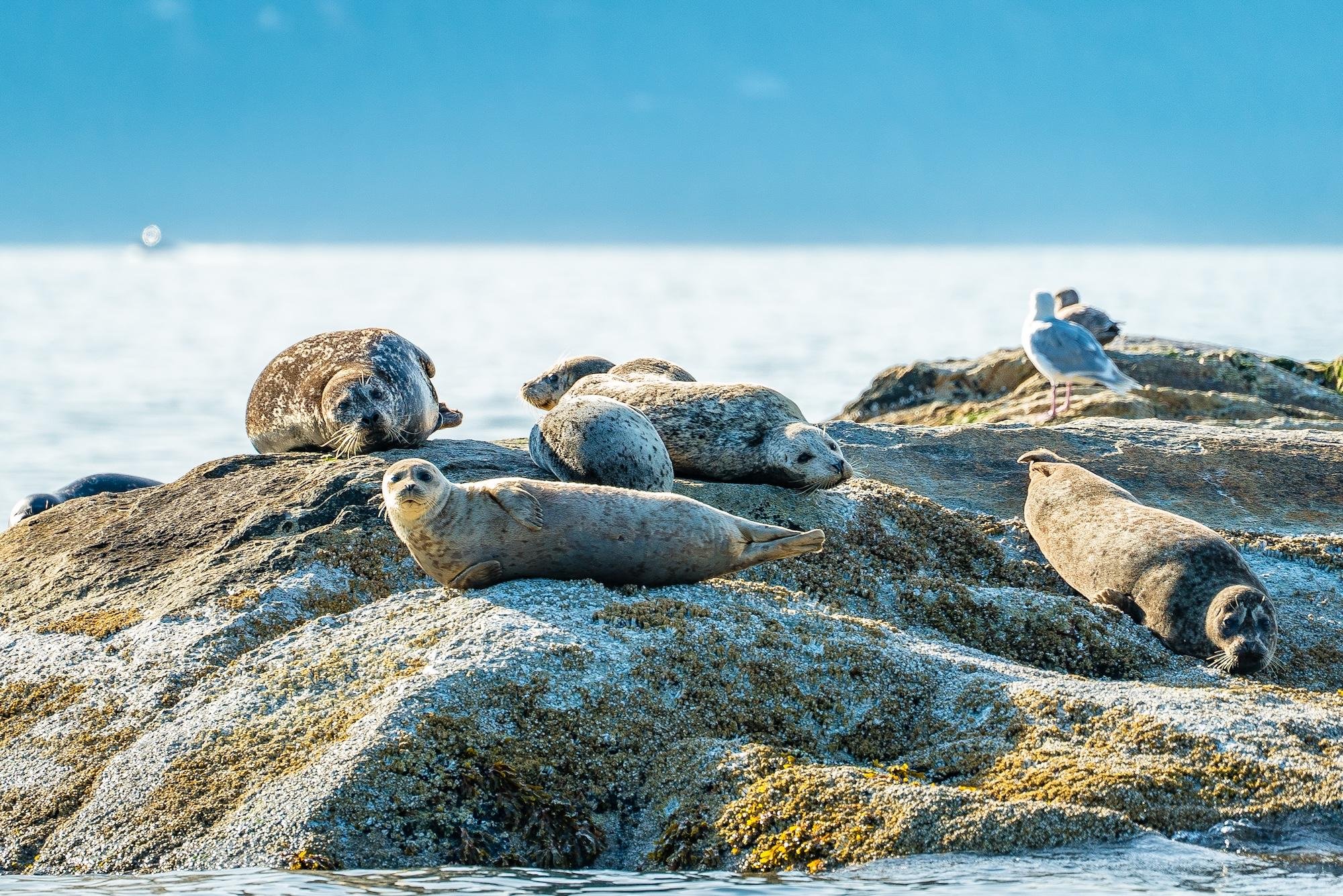
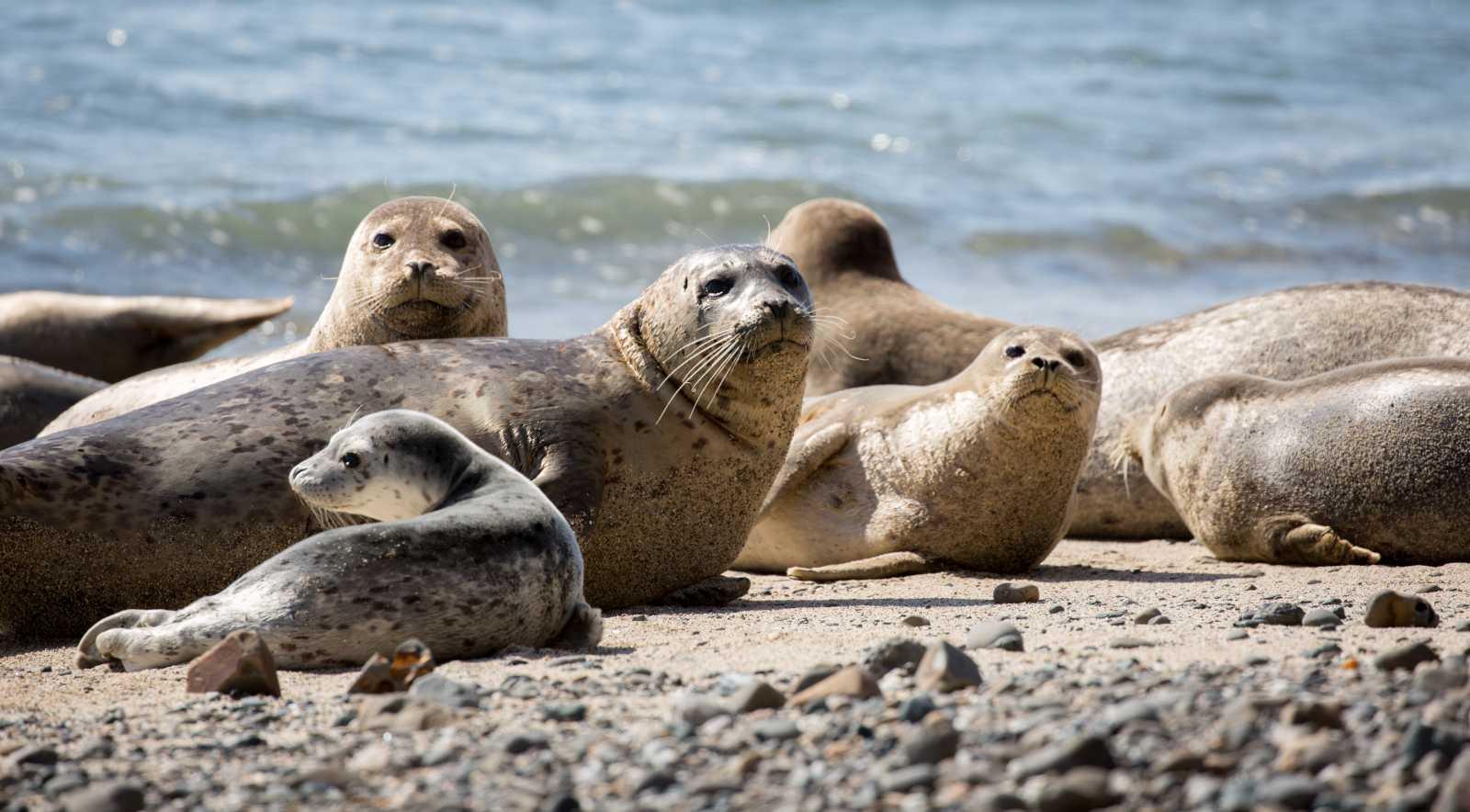
Humpback whales, extirpated from the region by 1900, returned in the 1990s; by 2026, more than 300 individuals summer here, feeding on herring and krill aggregations that rise through the strait's mixing zones. Harbour seals, Steller sea lions, Dall's porpoises, and transient Bigg's killer whales complete a food web shaped by upwelling currents, glacial silt, and the Fraser River's nutrient plume.
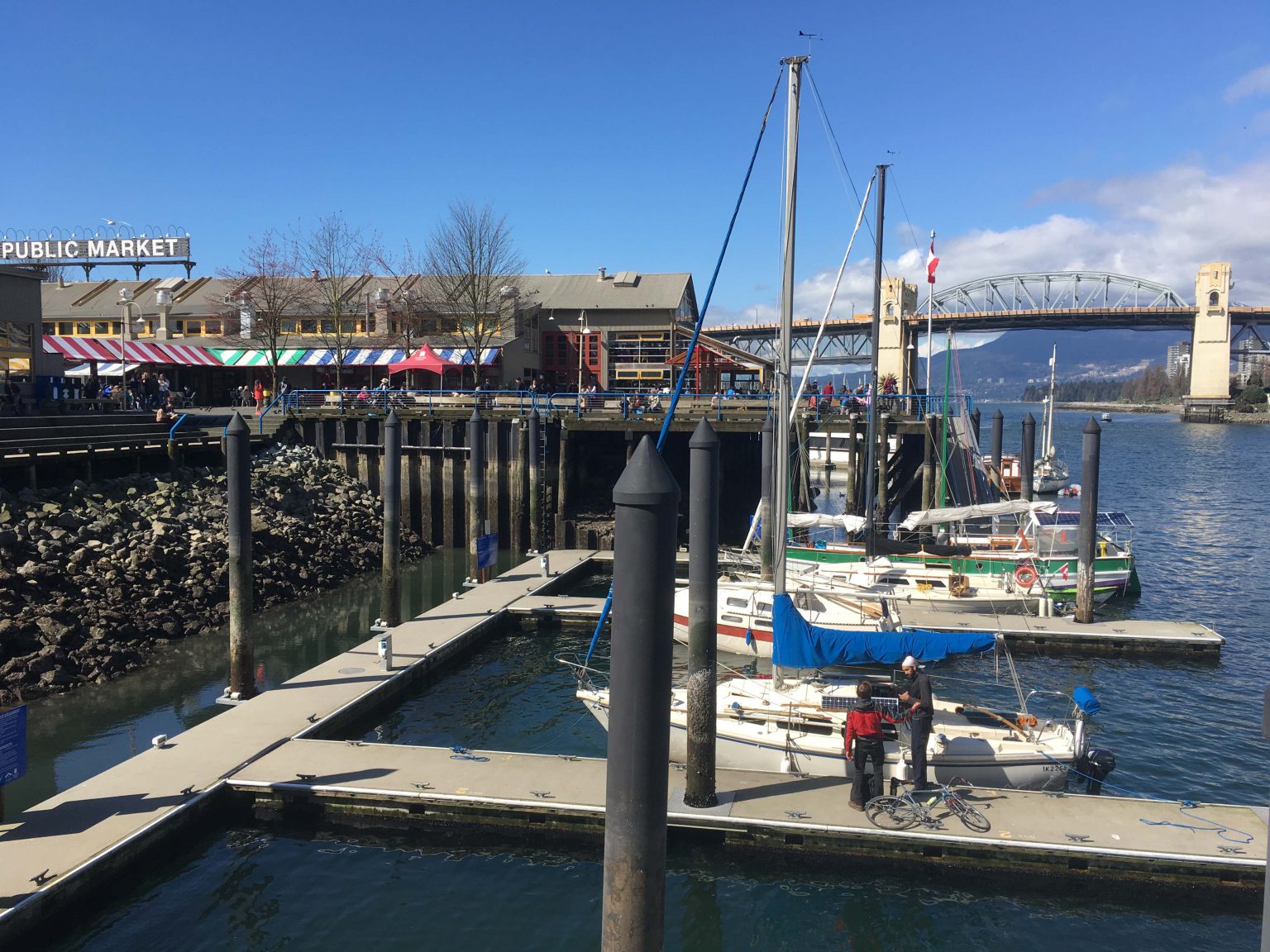
Vancouver boat tours whale watching depart from Granville Island, a reclaimed industrial peninsula converted in the 1970s from a shipyard and sawmill district into a public market and marine hub. The harbour's working waterfront—float planes, cargo terminals, tugboat moorings—frames every departure, a reminder that this is not a remote wilderness but an urban estuary where commerce and cetaceans coexist. Open-air vessels and covered zodiacs both operate here, the former prioritizing speed and manoeuvrability, the latter offering stability and protection from wind. Licensed naturalists narrate species behaviour, migratory patterns, and conservation law; Canadian regulations mandate 200-metre separation from orcas and 100 metres from humpbacks, enforced by Fisheries Officers who patrol the strait.
Morning departures benefit from calmer conditions before the afternoon thermal winds rise off the North Shore mountains. Sightings peak May through October, when resident orcas follow salmon runs and humpbacks gorge ahead of their winter migration to Hawaii and Mexico. The southern resident orcas are listed as endangered under Canada's Species at Risk Act; their population declined from 98 in 1995 to 75 today, pressured by vessel noise, declining Chinook salmon stocks, and persistent organic pollutants. Operators contribute to the Whale Report Alert System, a network that logs encounters and shares real-time coordinates among boats, researchers, and enforcement agencies. Transient orcas, by contrast, have increased by six percent annually since 2000, thriving on harbour seals and sea lions.
The strait's bathymetry—a submerged glacial trough 200 metres deep in places—funnels nutrient-rich Pacific water into the sheltered passages east of Vancouver Island. Whale watching tour operators traverse Active Pass, Haro Strait, and the Gulf Islands, zones where tidal currents accelerate to five knots and upwelling concentrates prey. Each trip covers 60 to 120 kilometres depending on reported sightings, typically three to five hours round-trip from Granville Island.

Three resident orca pods have occupied these waters for at least 10,000 years, tracing matrilineal lines older than agriculture.
Full refunds are available for cancellations made at least 48 hours before the scheduled departure. Entrance fee is 0 CAD (Free entry to harbour area; tours require purchase of ticket per operator).
Weather · crowds · average price — dots go green to amber to red as each metric rises.
April–May marks the start of the season with quieter boats and early migration sightings.
June–August offers peak orca and humpback activity with frequent sightings and reliable weather.
September–October provides excellent opportunities to see humpback whales amidst fewer crowds.
Most whale watching operators pause seasonal operations, focus on off-season planning.
Secure vancouver boat tours whale watching tickets at least one week in advance during peak summer months.
Take preventative measures 30 minutes before boarding to ensure comfort on the open water.
Operators may reschedule vancouver boat tours whale watching trips; monitor your email for updates.
Drink plenty of water to minimize the effects of sea motion during your whale watching tour.
Listen to the underwater sounds of marine mammals when available on your boat tour.
Engage with the marine naturalist to learn about conservation and local whale ID techniques.
Vancouver Harbour's transformation into a hub for vancouver boat tours whale watching began in 1984, when Paul Spong and Helena Symonds established the first commercial orca observation program from Telegraph Cove on northern Vancouver Island. The southern waters near Vancouver remained quieter until 1995, when Granville Island-based operators began offering recreational sightings of transient orcas and migrating gray whales. Early vessels were repurposed fishing boats, underpowered and lacking hydrophones, forcing guides to rely on radio networks and visual spotting. The industry's character shifted in 2001 after the federal Species at Risk Act classified southern resident orcas as endangered. Operators adopted mandatory 200-meter approach distances and engine-cutoff protocols. By 2008, Granville Island had become the primary departure point for vancouver boat tours whale watching tours, with rigid-hulled inflatables replacing older craft. The shift allowed vessels to reach the Strait of Georgia and Haro Strait feeding grounds in under ninety minutes, a pace impossible for earlier fleets. Controversy erupted in 2017 when studies linked vessel noise to orca communication disruption. Transport Canada imposed a 400-meter exclusion zone in critical habitat areas, forcing operators to reroute tours and extend durations. Hydrophone technology became standard equipment by 2019, allowing passive acoustic tracking without proximity. The pandemic closure of 2020 produced a temporary rebound in orca sightings near urban waters, documented by shore-based citizen scientists. Today's vancouver boat tours whale watching tickets grant access to a fleet operating under the Pacific Whale Watch Association's stricter voluntary guidelines. Naturalist-led departures from Granville Island focus on humpback whales, whose population in the Salish Sea has grown from fewer than fifty individuals in the 1990s to over three hundred by 2024. The morning departure window remains critical, as afternoon winds in the Strait of Georgia reduce surface visibility and increase swell.
Paul Spong launches the first commercial orca observation program from Telegraph Cove, establishing baseline protocols for whale-based tourism.
Granville Island operators begin offering recreational whale sightings using repurposed fishing vessels in southern coastal waters.
Federal Species at Risk Act imposes mandatory 200-meter approach distances, reshaping operational practices across the industry.
Rigid-hulled inflatables replace older craft, reducing transit times to Strait of Georgia feeding grounds to under ninety minutes.
Transport Canada enforces 400-meter exclusion zones in critical orca habitat following vessel-noise impact studies.
Hydrophone equipment becomes standard on commercial vessels, enabling passive acoustic tracking without close approach.
Pandemic closures produce temporary orca rebound near urban waters, documented by shore-based citizen observation networks.
Humpback whale population in the Salish Sea exceeds three hundred individuals, shifting primary tour focus from orcas to humpbacks.
Position yourself at the edge of the public pier for a clear shot of the fleet departing. This vantage point provides a steady perspective of vessels against the industrial backdrop of the harbour.
Exploring the Pacific coast via vancouver boat tours whale watching provides a unique opportunity for children to view marine wildlife in their natural habitat. Parents should prepare for an active day on the water, ensuring kids are comfortable for the duration of the marine mammal expedition.
Consider giving children non-drowsy medication before boarding your vancouver boat tours whale watching tour, as open waters can cause discomfort. Bring ginger chews or wristbands as natural alternatives to help manage nausea during the journey.
While many operators welcome younger travelers, verify specific minimum age requirements for vancouver boat tours whale watching tickets, as some high-speed zodiacs have stricter limits than larger vessels.
Coastal air remains cool even on sunny days, so dress children in moisture-wicking layers and wind-resistant jackets. Protecting kids from the elements is essential for comfort during these vancouver boat tours whale watching tours.
Most harbour facilities are basic, so plan for a restroom break before boarding since options are limited once the boat leaves the dock. Ensuring everyone is ready before departure helps avoid mid-trip stress for families.
Engaging children with binoculars or a wildlife checklist keeps them focused on spotting orcas and seals instead of the length of the trip. These coastal excursions require patience, so bring small quiet activities to occupy younger ones between sightings.
Granville Island serves as a vibrant culinary hub for those embarking on vancouver boat tours whale watching, offering a vast array of local flavors. Visitors will find that the surrounding area is packed with artisan vendors and eateries perfect for a pre-departure meal.
This iconic destination features dozens of food stalls offering everything from fresh seafood to artisan donuts. It is the ideal spot to grab a quick meal before securing your vancouver boat tours whale watching tickets at the nearby docks.;Lee's Donuts
Everything you need to know for your journey
The peak season for vancouver boat tours whale watching is from June through September when wildlife activity is highest.
Most operators offer a sighting guarantee, providing a free return trip if no whales are spotted during your vancouver boat tours whale watching tour.
Tours typically last between 3 to 5 hours, depending on travel distance and weather conditions.
Standard policies allow free cancellation 48 hours prior to your vancouver boat tours whale watching departure.
Pack waterproof layers, sunscreen, and a camera to fully enjoy your experience on vancouver boat tours whale watching.
Famous indoor market featuring local food artisans and craft vendors.
Dedicated space for family entertainment and unique toy shopping.
Artisan district housing glassblowers and local galleries.
Waterfront park offering picnic areas and views of False Creek.
Upscale waterfront lodging located directly on the island.
Wide array of high-end hotels near the harbour entrance.
Popular residential area with local inns and guest houses.
Join thousands of happy travelers who have discovered this incredible experience
Book Your Experience Now